
Our Goals
Build community capacity to respond to extreme heat
Identify populations and locations at higher risk
Understand the factors that contribute to heat exposure
Support data-informed policy and community solutions
C-HEAT PHOTOVOICE 2021
About C-HEAT: Seven Years Strong (2019 – 2026)
C-HEAT started as the Chelsea & East Boston Heat Study in 2019 as a partnership between BU School of Public Health and GreenRoots.
2020
During summer 2020, we designed and implemented a heat vulnerability field study in which we recruited 22 participant households via email list servs, GreenRoots member meetings, and word of mouth. 70% of participants identified as Hispanic, and 56% were Spanish speakers, reflecting the demographics of Chelsea and East Boston. Information collected from participants included:
• Baseline questionnaires about home air conditioning, time-activity, participant health, sleep, hydration, adaptation, transportation, social capital, financial health, and sociodemographic data;
• Weekly questionnaires about air conditioner use, perceptions of heat, mechanisms of coping with heat, and symptoms of heat-related illness;
• Continuous personal and in-home temperature measurements;
• Participant location data;
• Participant biometric data (heart rate, step count, sleep quality);
The results of this work are published here.
During each summer, we have also installed temperature sensors across Chelsea and East Boston.
In Summer 2020, we identified areas that were 7 degrees hotter than areas with parks, including bus stops and other neighborhoods with high impervious surface areas. On hot weeks (i.e. weeks when the ambient temperature was above 85°F), indoor temperatures were between 3.5 and 10 degrees warmer than outdoors in some homes, which means heat is retained during heat waves and that air conditioning was not sufficient or efficient enough to cool homes to comfortable levels. This was corroborated by participants who reported their living conditions as hot, even though 100% had some form of air conditioning. Nearly forty percent of participants said they had to make choices about which bills to pay and how to prioritize expenses. The most common adaptation behaviors reported were turning on the AC, removing clothing, and opening windows. Very few residents left home for cooler areas (this was during the height of the COVID-19 pandemic), using ceiling fans and closing window shades (most homes don’t have window shades). Over 60% aware of dangerously high heat & heat warnings in summer 2019 and ~50% concerned that they or others would become ill. Participants reported hydrating but not with water, and also reported switching transportation modes from public to ride-share vehicles on hot days. Questionnaire data revealed that residents felt there was high social capital in their neighborhood, pointing to the potential success of community-based cooling interventions.
Also in 2020, we established the C-HEAT Advisory Board. They requested that we map all black rubber roofs in the city and identify the potential of white roofs as strategies to reduce the heat in buildings, as well as urban heat islands. Together, we identified schools as ideal locations for interventions due to both the vulnerable populations within, and the large potential of reducing ambient temperatures. In addition to schools, we identified the Jordan Boys & Girls Club as being located within an area identified as an especially hot area within the city.
2021
In early Spring 2021, we learned that Chelsea Public Schools already had plans to install white roofs on their school buildings. Prior to their installation, in June 2021, we installed ambient and indoor temperature sensors on the roofs and in classrooms at the Williams School and on two buildings in the Burke Elementary School Complex. With GreenRoots, we engaged the Boys & Girls Club in monitoring on the roof and in the immediate surrounding area. GreenRoots received additional funding to collaborate with the Boston Society of Landscape Architects on envisioning a parcel in the hot pocket that is currently a parking lot on one side, and overgrown, fractured concrete on the other. The question driving this collaboration was: What can we do to cool the block and build community? This area became known as the “Cool Block.”
During summer 2021, we engaged 13 participants from the summer 2020 campaign in (7 English speakers and 5 Spanish speakers) in seven weeks of a photovoice project. During weekly Zoom sessions, participants discussed photos they had taken on topics related to the identification of facilitators and barriers of coping with extreme heat. For each photo, participants wrote text (the voice) to explain the photo’s meaning. Each week, photos were on a particular topic (e.g., cool places, hot places, coping strategies). Themes were identified by participants related to equitable access to parks and green spaces, tree equity, and, surprisingly to us, the role of water as both a resource and a threat (as per flooding). The Photo Voice Report is available here.
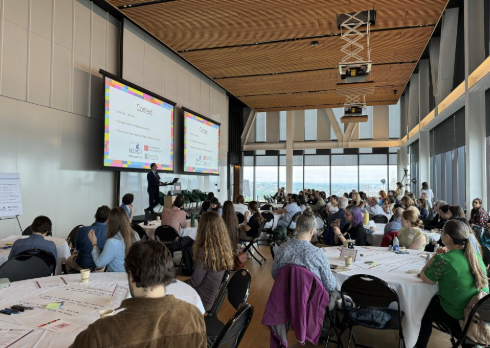
In October 2021, GreenRoots organized an in-person, outdoor “cool block” community event, which engaged approximately 100 residents at multiple tables offering participatory mapping. The C-HEAT table included maps with stickers for residents to place in response to the question, “Where is it hot?” and “Where do you go when it is too hot to cool down?” The Chelsea MVP grant consultants had a table with maps and asked residents to identify an intervention (trees, water, white roofs) for certain areas. Most people selected trees. Finally, the BSLA tent focused on community visioning for the future of this lot. The process of generating maps, of taking stock of our environment and surroundings, and envisioning the future is as important (and sometimes more important) than the product itself.
Due to continued concern for vulnerability to COVID, we participated in a mix of virtual and in-person activities to engage residents in workshops and activities. GreenRoots continued sharing updates with its membership throughout the year. The GreenRoots ECO Crew youth group (n=7) used a crowdsourcing data app for participatory mapping of surface temperatures that they collected over the summer, identifying hot areas and surfaces. You can view the ECO Crew Project here.
Our findings were reported at the March 2021 C-HEAT advisory committee and supported the different 2021 summer campaigns, such as the City of Chelsea AC giveaway, GreenRoots new hydration station installation and future evaluation, white roof painting, etc. Results also informed sampling locations for C-HEAT Summer 2021, which focused on understanding temperatures in transportation corridors and bus stops, roofs, and areas at potential cooling intervention sites, parks, playgrounds, and schools.
Additionally, we partnered with All in Energy, which connects residents to weatherization programs. Through our website, social media posts, and in-person outreach at the Cool Block event, residents learned about subsidized energy audits and weatherization efforts as strategies to reduce heat (and cold) exposure as well as save on energy bills.
2022
In 2022, C-HEAT staff interviewed over 20 Chelsea and East Boston city councilors, community leaders and community planning and health professionals about their perceptions of heat and air pollution in Chelsea and East Boston, associated health outcomes, sources of data on which they rely for information, and the role of residents in the development of policies and interventions to reduce air pollution, increase air quality and improve public health. See publication here.
Since C-HEAT started, GreenRoots has planted dozens of street trees and engaged residents as Tree Keepers. GreenRoots Tree Keeper Program (TKP), which started at the Cool Block, expanded in 2024. The TKP is a stewardship program that involves watering newly planted street trees while building community engagement and leadership capacity. Our pilot TKP proved to increase the survivability of newly planted trees from 30% to over 85%. More importantly, we engaged residents in not only caring for newly planted trees but also discussing and strategizing ways to address climate justice impacts while fostering relationships among neighbors. Over the last year, we expanded the number of neighborhoods where we have Tree Keepers and increased the number of residents engaged in the program. We now have around 84 Tree Keepers across four different neighborhoods in Chelsea, and we have planted over 120 trees across Chelsea.
We continue to monitor temperatures at the Cool Block. However, after implementing cooling interventions, ambient temperatures at the Cool Block decreased compared to hot spot reference sites in the city, albedo increased 22%, and land surface temperature changes were not significant. Modeled ambient temperatures resulted in a 0.2°C decrease on a hot day at the Cool Block. Co-benefits reported by residents included increased awareness of extreme heat, community empowerment to drive change, and increased national attention and funding for local community-led heat initiatives.
2023 & 2024
In the summers of 2023 and 2024, we piloted heat monitoring devices among workers in Chelsea and East Boston, after the Photovoice project identified workers as a particularly vulnerable population of concern. We are partnering with MassCOSH for future monitoring and photovoice with workers.
2025
In 2025, the city broke ground on the construction of a new park in the Cool Block that will increase green space in the area significantly. GreenRoots supported this work by securing an additional $520,000 towards the park’s construction, and engaged community members in the park’s design as well as interim uses of the site prior to the park’s groundbreaking. Residents, especially those engaged in our Tree Keeper Program, have been engaged in strategy sessions about heat, climate justice, tree canopy cover, and more. The ribbon cutting for Bear Park took place in April 2026.
Together with the MA EJ Table, the C-HEAT Team has engaged in a number of conversations, speak-outs, and strategy sessions related to air quality legislation in the State House. The Table was successful in getting two bills sponsored and introduced – one focusing on indoor air pollution and the other focusing on outdoor air pollution. To increase support for AQ bills, GreenRoots organized a letter-writing event with over 40 youth who wrote letters to the members of the Public Health Committee, which we hand-delivered. The indoor bill was reported out favorably to the Ways and Means Committee in both the House and the Senate. The outdoor bill, hopefully, will be reported out favorably before November 9th.
Temperature Sampling
As part of C-HEAT's ongoing effort to expand heat monitoring in Chelsea, 11 additional sensors were installed in 2026. Throughout the summer, GreenRoots staff and ECO Crew members will help download and manage sensor data.
How We Do It
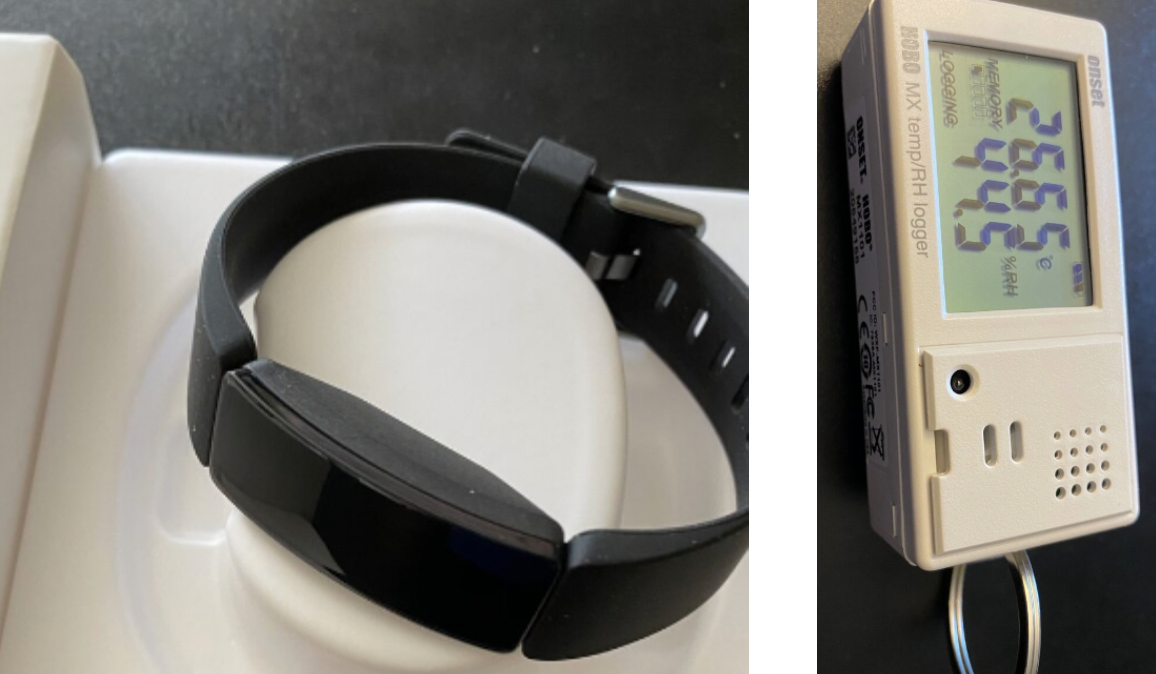
Indoor monitoring equipment included HOBO devices and FitBits.
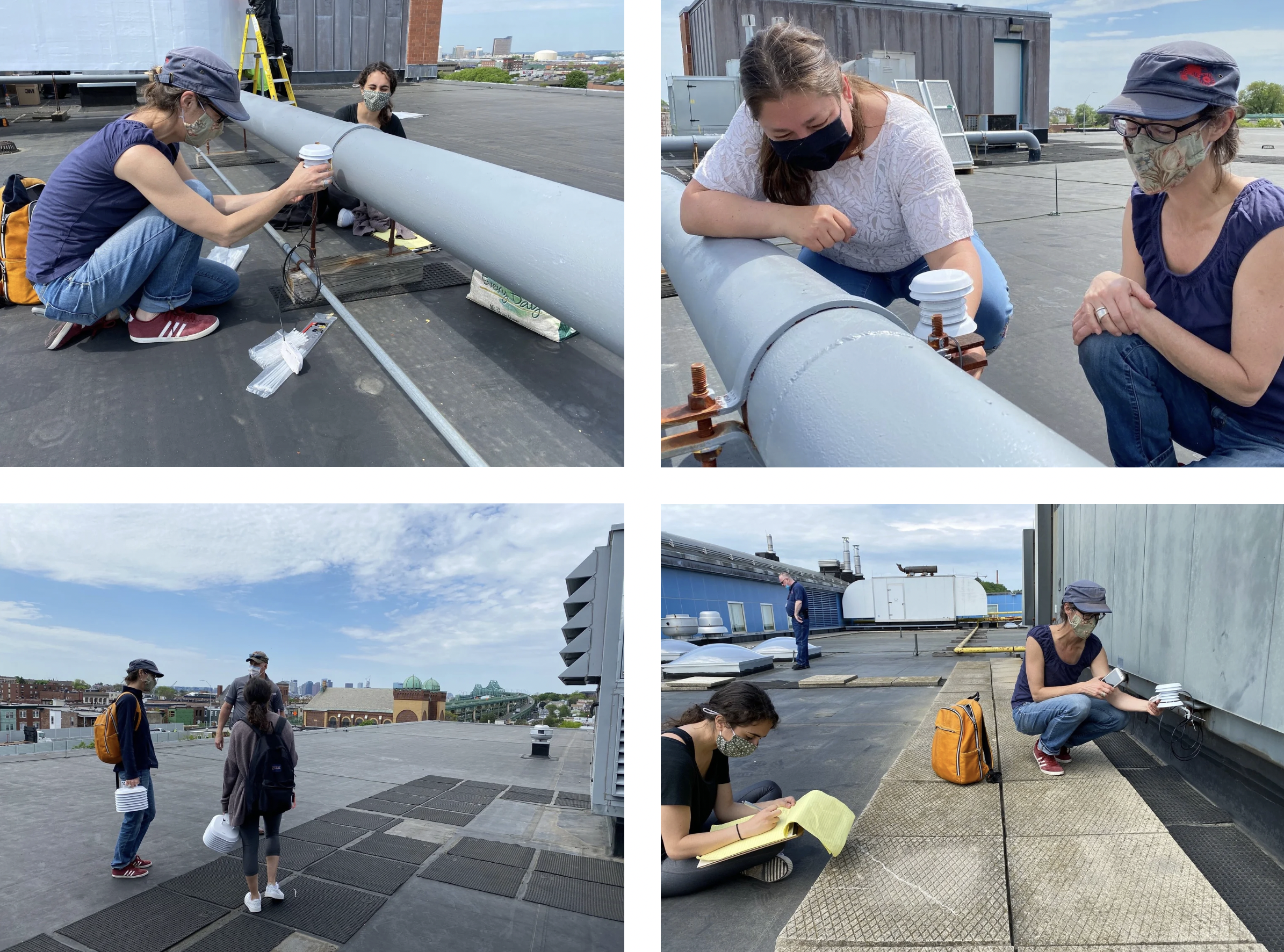
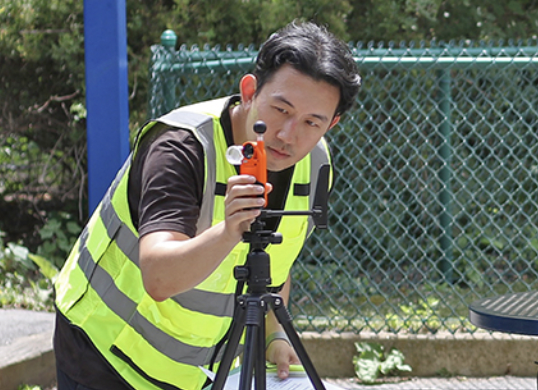
Field teams collected temperature data across Chelsea and East Boston using sensors placed in a variety of environments, including rooftops, streets, and shaded areas. This approach captures how heat exposure varies across different parts of the community
Sensors were carefully placed to measure temperature differences across surfaces and conditions, including shaded and unshaded areas. These measurements help identify localized heat patterns and better understand environmental drivers of heat exposure.
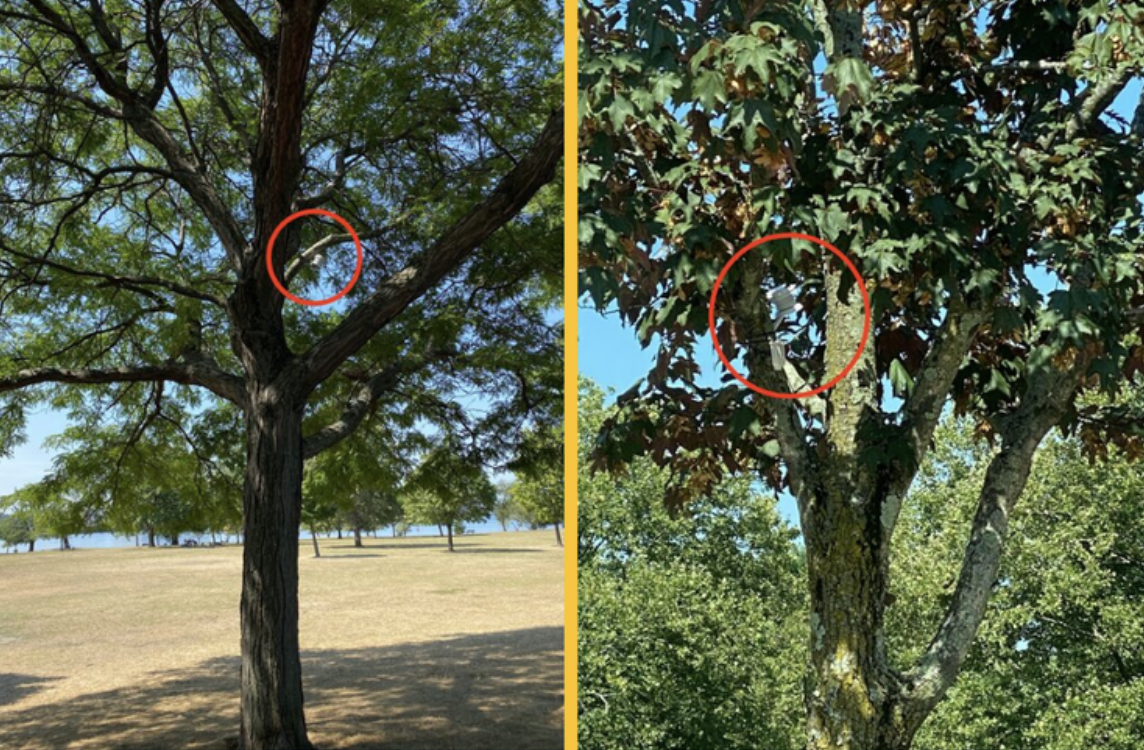
Outdoor monitoring equipment is installed on trees in Chelsea and East Boston.
Initiatives
Two initiatives have been launched that were modeled on and built off C-HEAT
B-COOL. After a talk about C-HEAT and other heat work at the Green Ribbon Commission Extreme Heat workgroup, The Boston Foundation funded B-COOL, a partnership between BUSPH, A Better City, and the City of Boston. B-COOL expanded heat monitoring across Boston in order to improve its heat advisory protocols. Specifically, the city was interested in understanding the differences in heat experiences in the EJ neighborhoods identified in their Heat Resilience Plan – Dorchester, Roxbury, Chinatown, Mattapan, and East Boston, with the goal of better informing heat preparedness.
CATCH. BU Faculty also applied for and received a Wellcome Trust Foundation Climate Impact Award title Community Adaptations to City Heat (CATCH) to do heat resilience work in Boston, Phoenix and New Orleans. Among other activities, CATCH is engaging health departments and city planners at all three cities, and planning photovoice projects modeled after C-HEAT activities to take place in Summer 2026.
Project Partners
C-HEAT is a partnership between GreenRoots and the Boston University School of Public Health, combining community leadership with academic research expertise to better understand and address the impacts of extreme heat.
A community-based organization working to achieve environmental justice and improve public health in Chelsea and East Boston
An academic public health partner contributing research expertise, data analysis, and evaluation to support the project’s goals
Collaborators




Northeastern
City of Chelsea
DCR
Boston Society of Landscape Architects
Museum of Science
All in Energy
City of Chelsea Public Schools
Our Team
Curious about the people behind the work? Click below to learn more about who we are.
Explore the Project
Learn more through the project’s data, community resources, and research output.s